Ever wondered what exactly Azure is and why it’s dominating the cloud world? Let’s break down Microsoft Azure in simple, powerful terms—no jargon, just clarity.
Azure What Is: The Ultimate Cloud Powerhouse

When people ask, ‘Azure what is?’, they’re often looking for more than a textbook definition. Microsoft Azure is a comprehensive cloud computing platform that empowers businesses to build, deploy, and manage applications across a global network of data centers. Launched in 2010 as Windows Azure, it has evolved into one of the top three cloud providers globally, competing directly with Amazon Web Services (AWS) and Google Cloud Platform (GCP).



Azure isn’t just about storing data or hosting websites—it’s a full-stack solution offering infrastructure as a service (IaaS), platform as a service (PaaS), and software as a service (SaaS). From startups to Fortune 500 companies, organizations use Azure to scale operations, enhance security, and drive innovation. According to Microsoft, over 95% of Fortune 500 companies rely on Azure for some part of their IT infrastructure.
“Azure is not just a cloud platform; it’s a catalyst for digital transformation.” — Satya Nadella, CEO of Microsoft
Core Components of Azure
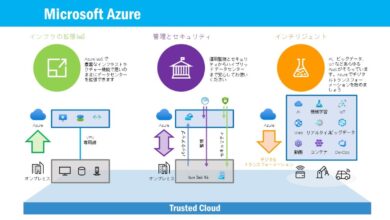
Azure’s architecture is built on a modular foundation, allowing users to pick and choose services based on their needs. Key components include:
- Compute: Virtual machines, containers, serverless functions, and batch processing.
- Networking: Virtual networks, load balancers, DNS, and content delivery networks (CDN).
- Storage: Blob storage, disk storage, file shares, and data lakes.
- Databases: SQL and NoSQL options like Azure SQL Database, Cosmos DB, and MySQL.
- Security & Identity: Azure Active Directory, Key Vault, and threat protection tools.
Each component integrates seamlessly, enabling developers and IT professionals to create end-to-end solutions without worrying about underlying infrastructure.
Global Infrastructure and Data Centers
One of Azure’s biggest strengths lies in its global reach. As of 2024, Azure operates in over 60 regions worldwide, making it one of the most geographically distributed cloud platforms. This allows businesses to deploy applications closer to their users, reducing latency and complying with local data sovereignty laws.
Microsoft continues to expand its footprint, with new regions planned in emerging markets. Each region consists of one or more data centers connected via high-speed networks, ensuring redundancy and high availability. You can explore the full map of Azure regions here.
azure what is – Azure what is menjadi aspek penting yang dibahas di sini.
Azure What Is and How It Compares to AWS and GCP
Understanding ‘Azure what is’ also means comparing it to its main competitors. While AWS was first to market and remains the leader in market share, Azure has rapidly closed the gap by leveraging Microsoft’s enterprise relationships and hybrid cloud strategy.
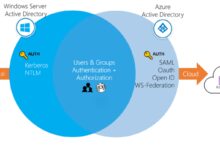
A key differentiator is Azure’s deep integration with Microsoft products like Windows Server, Active Directory, Office 365, and Dynamics 365. For organizations already invested in the Microsoft ecosystem, migrating to Azure feels natural and cost-effective.
Market Share and Industry Adoption
According to Synergy Research Group (2023), AWS holds about 32% of the cloud infrastructure market, followed by Microsoft Azure at 23%, and Google Cloud at 11%. Azure’s growth has been fueled by strong adoption in industries like finance, healthcare, and government, where compliance and hybrid capabilities are critical.
For example, the U.S. Department of Defense selected Azure as part of its Joint Warfighting Cloud Capability (JWCC), highlighting its trustworthiness and scalability for mission-critical operations.
Hybrid Cloud Advantage
Unlike AWS, which focuses primarily on public cloud, Azure offers robust hybrid cloud solutions through services like Azure Stack and Azure Arc. These allow businesses to run Azure services on-premises or in multi-cloud environments, giving them flexibility and control.
This hybrid approach is especially valuable for regulated industries that must keep sensitive data within private networks while still benefiting from cloud agility.
“Azure’s hybrid model bridges the gap between legacy systems and modern cloud innovation.” — TechRepublic
Azure What Is: Key Services That Drive Innovation
To truly grasp what Azure is, you need to dive into its most impactful services. These tools aren’t just technical features—they’re enablers of digital transformation.
azure what is – Azure what is menjadi aspek penting yang dibahas di sini.
Azure Virtual Machines (VMs)
Azure VMs provide on-demand, scalable computing resources. Whether you need Linux or Windows environments, you can spin up virtual machines in minutes. They support a wide range of workloads—from web servers to enterprise applications—and can be automated using templates and scripts.
What sets Azure VMs apart is their integration with monitoring, backup, and disaster recovery services. For instance, Azure Backup ensures your VMs are protected with point-in-time recovery, while Azure Site Recovery enables business continuity during outages.
Azure Kubernetes Service (AKS)
For containerized applications, AKS simplifies the deployment, management, and scaling of Kubernetes clusters. Developers can focus on code while Azure handles cluster health, updates, and security patches.
AKS integrates with DevOps pipelines, allowing continuous integration and delivery (CI/CD). It also supports multi-cloud deployments via Azure Arc, making it a future-proof choice for modern application architectures.
Azure AI and Machine Learning
Azure is a leader in democratizing artificial intelligence. With Azure Cognitive Services, developers can add vision, speech, language, and decision-making capabilities to apps without deep AI expertise.
Azure Machine Learning provides a full lifecycle environment for building, training, and deploying ML models. It supports automated ML, MLOps, and responsible AI practices, ensuring models are fair, transparent, and secure.
Learn more about Azure AI capabilities here.
azure what is – Azure what is menjadi aspek penting yang dibahas di sini.
Azure What Is: Security, Compliance, and Trust
Security is often a top concern when moving to the cloud. So, when someone asks ‘Azure what is’, the answer must include how Microsoft ensures safety and compliance.
Azure operates under a shared responsibility model: Microsoft secures the infrastructure, while customers secure their data and access. This model clarifies roles and reduces risk.
Built-in Security Tools
Azure offers a suite of security services, including:
- Azure Security Center: Provides unified security management and advanced threat protection.
- Azure Defender: Extends protection to servers, SQL databases, containers, and more.
- Azure Firewall: A managed, cloud-native firewall for network traffic filtering.
- Microsoft Sentinel: A cloud-native Security Information and Event Management (SIEM) system for threat detection and response.
These tools use AI-driven analytics to detect anomalies and respond to threats in real time.
Compliance and Certifications
Azure meets more compliance standards than any other cloud provider, including GDPR, HIPAA, ISO 27001, SOC 1/2/3, FedRAMP, and CCPA. This makes it ideal for organizations operating in regulated sectors.
Microsoft’s Trust Center provides transparency into how data is handled, encrypted, and audited. You can review compliance offerings here.
“Azure’s compliance framework gives enterprises the confidence to move even the most sensitive workloads to the cloud.” — Gartner
Azure What Is: Pricing, Cost Management, and Free Options
Cost is a major factor in cloud adoption. Understanding ‘Azure what is’ includes knowing how it’s priced and how to avoid bill shocks.
azure what is – Azure what is menjadi aspek penting yang dibahas di sini.
Azure uses a pay-as-you-go model, meaning you only pay for what you use. However, costs can add up quickly if resources aren’t monitored and optimized.
Pricing Models and Tiers
Azure offers several pricing options:
- Pay-as-you-go: Ideal for variable workloads and testing.
- Reserved Instances: Up to 72% savings for long-term commitments (1 or 3 years).
- Spot Instances: Lowest-cost option for non-critical, interruptible workloads.
- Hybrid Benefit: Save up to 40% by using existing Windows Server and SQL Server licenses with Azure.
Each service has its own pricing calculator, helping you estimate costs before deployment.
Cost Management Tools
Azure Cost Management + Billing provides dashboards, budgets, alerts, and recommendations to track spending. It integrates with Power BI for advanced reporting and helps identify idle or underutilized resources.
For example, if a virtual machine runs 24/7 but is only used during business hours, Azure Advisor might suggest shutting it down at night to save costs.
Free Tier and Learning Resources
Microsoft offers an Azure Free Account with $200 in credits for 30 days and access to over 55 free services for 12 months (like VMs, blob storage, and databases). This is perfect for learning, testing, or small projects.
In addition, Microsoft Learn provides free, interactive modules to get certified and build skills. Visit Azure Free Account to start today.
azure what is – Azure what is menjadi aspek penting yang dibahas di sini.
Azure What Is: Real-World Use Cases and Industry Impact
The true value of Azure becomes clear when you see how it’s used in real-world scenarios. Across industries, Azure is enabling innovation, efficiency, and resilience.
Healthcare: Accelerating Medical Research
Hospitals and research institutions use Azure to process massive datasets from genomics, medical imaging, and patient records. For example, the UK’s National Health Service (NHS) uses Azure to analyze cancer data and improve diagnosis accuracy.
Azure Health Data Services help organizations securely store and exchange health information while complying with HIPAA and other regulations.
Retail: Personalizing Customer Experiences
Retailers leverage Azure AI and analytics to deliver personalized shopping experiences. Walmart uses Azure to power its e-commerce platform, manage inventory in real time, and optimize supply chains using predictive analytics.
With Azure Personalizer, companies can dynamically recommend products based on user behavior, increasing conversion rates and customer satisfaction.
Manufacturing: Enabling Smart Factories
Manufacturers use Azure IoT Hub and Digital Twins to monitor equipment, predict maintenance needs, and simulate production processes. Siemens, for instance, uses Azure to connect thousands of industrial machines and improve operational efficiency.
By integrating AI and edge computing, factories can reduce downtime and improve quality control.
azure what is – Azure what is menjadi aspek penting yang dibahas di sini.
“Azure is the backbone of our digital factory transformation.” — Siemens AG
Azure What Is: Getting Started and Certification Paths
Now that you understand ‘Azure what is’, the next step is getting started. Whether you’re a developer, IT pro, or business leader, there’s a path for you.
Setting Up Your First Azure Account
Creating an Azure account is simple:
- Go to azure.microsoft.com.
- Sign up for a free account.
- Verify your identity with a phone number and credit card (no charges unless you upgrade).
- Explore the Azure portal and deploy your first resource, like a virtual machine or web app.
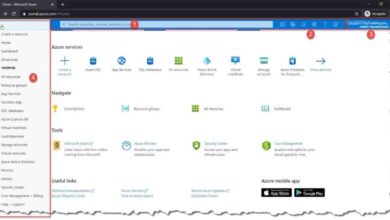
The Azure portal is intuitive, with guided tours and quickstart templates to help beginners.
Learning Resources and Documentation
Microsoft Learn offers structured learning paths for roles like:
- Azure Administrator
- Azure Developer
- Azure Solutions Architect
- Azure Data Scientist
- Azure Security Engineer
Each path includes hands-on labs, quizzes, and preparation for certification exams.
Azure Certifications: Boost Your Career
Earning an Azure certification validates your skills and boosts employability. Popular certifications include:
- Azure Fundamentals (AZ-900): Entry-level, great for beginners.
- Azure Administrator (AZ-104): For managing Azure environments.
- Azure Developer (AZ-204): For building cloud applications.
- Azure Solutions Architect (AZ-305): For designing scalable solutions.
- Azure Security Engineer (AZ-500): For securing cloud assets.
Certifications are recognized globally and can lead to higher salaries and career advancement.
azure what is – Azure what is menjadi aspek penting yang dibahas di sini.
What is Azure used for?
Azure is used for a wide range of purposes, including hosting websites and applications, storing and analyzing data, running virtual machines, implementing AI and machine learning models, managing IoT devices, and ensuring cybersecurity. It supports both public and hybrid cloud deployments, making it ideal for businesses of all sizes.
Is Azure free to use?
Azure offers a free tier with $200 in credits for 30 days and access to over 55 services for free for 12 months. After that, you pay only for what you use. There are also always-free services with limited capacity, such as Azure Functions and Blob Storage.
How does Azure compare to AWS?
Azure and AWS are both leading cloud platforms, but Azure excels in hybrid cloud integration and Microsoft ecosystem compatibility. AWS has a broader service catalog and longer market presence. The choice depends on your organization’s existing infrastructure, technical needs, and strategic goals.
Do I need coding skills to use Azure?
azure what is – Azure what is menjadi aspek penting yang dibahas di sini.
While coding skills are beneficial, especially for developers, many Azure services can be managed through the portal, command-line tools, or low-code/no-code platforms like Power Apps and Logic Apps. Beginners can start with pre-built templates and guided tutorials.
Can Azure be used for machine learning?
Yes, Azure provides powerful tools for machine learning, including Azure Machine Learning Studio, Cognitive Services, and support for popular frameworks like TensorFlow and PyTorch. It enables data scientists to build, train, and deploy models at scale with built-in MLOps and responsible AI practices.
Understanding ‘azure what is’ goes beyond a simple definition—it’s about recognizing its role as a transformative force in modern technology. From powering global enterprises to enabling startups to innovate, Azure offers a secure, scalable, and intelligent cloud platform. Whether you’re exploring cloud computing for the first time or looking to deepen your expertise, Azure provides the tools, services, and support to succeed. With its hybrid capabilities, AI integration, and strong security posture, Azure isn’t just keeping pace with the future—it’s helping to shape it.
Further Reading: