Accessing the Azure login portal doesn’t have to be complicated. Whether you’re a developer, IT admin, or business user, mastering this gateway is essential for seamless cloud management.
Understanding the Azure Login Portal

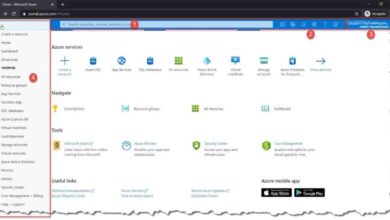
The Azure login portal is the primary entry point for accessing Microsoft Azure’s cloud services. It serves as a centralized dashboard where users can manage virtual machines, storage, networking, security, and more. Millions of users worldwide rely on this secure interface to deploy and monitor their cloud infrastructure.




What Is the Azure Login Portal?
The Azure login portal, officially known as the Azure portal, is a web-based console provided by Microsoft. It allows authenticated users to interact with Azure resources through a graphical user interface (GUI). Unlike command-line tools or APIs, the portal offers an intuitive visual layout that simplifies complex cloud operations.
- It supports role-based access control (RBAC) for team collaboration.
- Users can customize dashboards based on their responsibilities.
- Real-time monitoring and alerts are integrated directly into the interface.
“The Azure portal is your command center in the cloud.” — Microsoft Azure Documentation
How It Differs from Other Authentication Methods
While Azure supports authentication via PowerShell, CLI, and SDKs, the Azure login portal remains the most accessible method for non-technical users. Unlike script-based logins, the portal provides immediate visual feedback, making it easier to troubleshoot access issues or misconfigurations.
For example, if a user fails to log in via CLI, diagnosing the issue might require checking token expiration or tenant IDs. In contrast, the Azure login portal displays clear error messages such as ‘Incorrect password’ or ‘Your account has been locked,’ streamlining the resolution process.
Step-by-Step Guide to Accessing the Azure Login Portal
Logging into the Azure portal is straightforward, but understanding each step ensures a smooth experience, especially for first-time users. Let’s walk through the complete process from start to finish.
Navigating to the Official Portal URL
The first step is visiting the official Azure login portal at portal.azure.com. Always ensure you’re on the correct URL to avoid phishing attacks. Cybercriminals often create fake portals that mimic the real one to steal credentials.
Tip: Bookmark the legitimate site and enable browser security extensions like Microsoft Defender SmartScreen to detect malicious lookalikes.
Entering Your Credentials
Once on the portal page, enter your email address associated with your Azure subscription. This could be a personal Microsoft account (e.g., @outlook.com) or a work/school account (e.g., @company.com managed through Azure Active Directory).
- If you’re using a work account, your organization may enforce multi-factor authentication (MFA).
- Personal accounts typically require only a password unless additional security settings are enabled.
- After entering the email, click ‘Next’ and input your password.
Completing Multi-Factor Authentication (MFA)
If MFA is enabled, you’ll be prompted to verify your identity using a second method. Options include:
- Microsoft Authenticator app notification or code
- Text message (SMS) with a one-time passcode
- Phone call verification
- Security key (FIDO2 compliant)
Organizations with high-security requirements often mandate MFA to reduce the risk of unauthorized access, even if passwords are compromised.
Common Issues When Using the Azure Login Portal
Despite its reliability, users occasionally face challenges when trying to log in. Recognizing these common problems and knowing how to resolve them can save time and frustration.
Forgot Password or Locked Account
One of the most frequent issues is forgetting your password or getting locked out after multiple failed attempts. Azure Active Directory typically locks accounts after five incorrect password entries.
To recover access:
- Click ‘Forgot password?’ on the login screen.
- Follow the prompts to verify your identity via email, phone, or security questions.
- Reset your password and log back in.
Administrators can also unlock accounts manually through the Azure AD admin center at aad.portal.azure.com.
Region and Tenant Mismatch Errors
Sometimes users encounter errors like ‘Your sign-in was successful but does not meet the criteria to access this resource.’ This often occurs due to tenant mismatches—especially in organizations with multiple Azure AD tenants.
Solution:
- Ensure you’re logging in with the correct account tied to the target tenant.
- Use the ‘Sign in to another account’ option to switch identities.
- Check if your subscription is linked to the right directory under Azure AD settings.
Browser Compatibility and Cache Issues
The Azure login portal relies heavily on JavaScript and modern web standards. Older browsers or outdated versions may fail to load the interface properly.
Supported browsers include:
- Microsoft Edge (latest version)
- Google Chrome (latest version)
- Mozilla Firefox (latest version)
- Apple Safari (for macOS users)
If the portal appears broken or unresponsive:
- Clear browser cache and cookies.
- Disable browser extensions that may interfere (e.g., ad blockers).
- Try accessing the portal in private/incognito mode.
Security Best Practices for the Azure Login Portal
Given that the Azure login portal grants access to critical cloud assets, securing your login process is non-negotiable. Implementing best practices significantly reduces the risk of breaches.
Enable Multi-Factor Authentication (MFA)
MFA is one of the most effective defenses against credential theft. Even if a hacker obtains your password, they cannot gain access without the second factor.
Microsoft reports that MFA blocks over 99.9% of account compromise attacks. Organizations should enforce MFA for all users, especially administrators with elevated privileges.
“MFA is the single most impactful step you can take to improve account security.” — Microsoft Security Blog
Use Conditional Access Policies
Azure Active Directory’s Conditional Access feature allows administrators to define rules that control how and when users can access the Azure login portal. For example:
- Require MFA when logging in from unfamiliar locations.
- Block access from unmanaged devices.
- Restrict login times to business hours only.
These policies are configured in the Azure AD portal and provide granular control over authentication workflows.
Monitor Sign-In Logs and Anomalies
Azure provides detailed sign-in logs that record every login attempt, including successful and failed ones. Administrators can access these logs via the Azure portal under ‘Azure Active Directory > Monitoring > Sign-in logs.’
Key insights include:
- IP addresses used for login
- Device information (browser, OS)
- Location of the user
- Whether MFA was used
Unusual patterns—like logins from different countries within minutes—can indicate potential breaches and trigger automated alerts.
Customizing Your Azure Portal Experience
The Azure login portal isn’t just functional—it’s customizable. Tailoring the interface to your workflow enhances productivity and reduces navigation time.
Pinning Resources to the Dashboard
Users can create personalized dashboards by pinning frequently used resources. For example, a database administrator might pin SQL servers, while a network engineer could pin virtual networks and firewalls.
To pin a resource:
- Navigate to the resource blade.
- Click the ‘Pin to dashboard’ button in the top menu.
- Select the target dashboard (default or custom).
Custom dashboards can be shared across teams, promoting consistency in monitoring and operations.
Using Quickstart Templates and Saved Queries
The Azure portal includes a ‘Quickstart templates’ section that allows users to deploy pre-configured solutions with minimal effort. These templates cover scenarios like setting up a LAMP stack, deploying Kubernetes clusters, or configuring backup policies.
Additionally, users working with Log Analytics can save Kusto queries for recurring tasks, such as checking VM uptime or auditing user activity.
Configuring Accessibility and Language Settings
The Azure portal supports multiple languages and accessibility features to accommodate diverse users. You can change the display language under ‘Settings > Region & language.’
Accessibility tools include:
- High contrast mode
- Screen reader compatibility
- Keyboard navigation shortcuts
These features ensure compliance with standards like WCAG and support inclusive cloud management.
Integrating the Azure Login Portal with Third-Party Tools
The Azure login portal doesn’t exist in isolation. It integrates seamlessly with various third-party applications and services, extending its functionality beyond native capabilities.
Single Sign-On (SSO) with SaaS Applications
Organizations use Azure AD as an identity provider for SSO into popular SaaS apps like Salesforce, Dropbox, and Slack. When configured, users can access these services directly from the Azure portal’s ‘My Apps’ page at myapps.microsoft.com.
Benefits include:
- Reduced password fatigue
- Centralized user provisioning and deprovisioning
- Consistent enforcement of security policies
API Access and Automation via Azure CLI and PowerShell
While the Azure login portal is GUI-based, many operations can be automated using command-line tools. After logging in via the portal, users can generate service principals or access tokens to authenticate scripts.
Example: Use az login in Azure CLI to authenticate interactively or with a service principal for CI/CD pipelines.
These integrations allow DevOps teams to combine visual monitoring with automated deployments, creating a hybrid workflow.
Connecting to Monitoring and Alerting Platforms
The Azure portal integrates with monitoring tools like Datadog, Splunk, and New Relic. By forwarding logs and metrics, teams gain deeper insights into application performance and infrastructure health.
Setup involves:
- Configuring diagnostic settings on Azure resources.
- Sending data to Event Hubs or Storage Accounts.
- Connecting external tools to ingest the data stream.
This integration enables real-time dashboards and proactive alerting outside the Azure ecosystem.
Advanced Features of the Azure Login Portal
Beyond basic access and management, the Azure login portal offers advanced features that empower power users and administrators to optimize their cloud environments.
Role-Based Access Control (RBAC) Management
Rbac allows fine-grained permission assignment within Azure subscriptions. Instead of giving full administrative rights, organizations can assign roles like ‘Reader,’ ‘Contributor,’ or custom roles with specific permissions.
To manage RBAC:
- Go to ‘Subscriptions’ in the portal.
- Select a subscription and click ‘Access control (IAM).’
- Add or remove role assignments for users, groups, or service principals.
This principle of least privilege enhances security and reduces the impact of accidental changes.
Cost Management and Budgeting Tools
The Azure portal includes robust cost analysis features under ‘Cost Management + Billing.’ Users can track spending, set budgets, and receive alerts when thresholds are exceeded.
Key capabilities:
- View costs by resource, department, or tag.
- Forecast future spending based on historical trends.
- Download detailed billing reports for auditing.
These tools help organizations maintain financial control over their cloud usage.
Deployment Center and CI/CD Integration
For developers, the Azure portal’s Deployment Center enables seamless integration with GitHub, Azure Repos, and other source control systems. Users can configure continuous deployment for web apps, containers, and functions directly from the portal.
Features include:
- Automated builds and deployments
- Environment staging (dev, test, prod)
- Rollback options in case of failures
This reduces the need for external orchestration tools and centralizes deployment logic.
What is the correct URL for the Azure login portal?
The official URL for the Azure login portal is https://portal.azure.com. Always verify the domain to avoid phishing sites.
How do I reset my Azure account password?
If you’ve forgotten your password, click ‘Forgot password?’ on the login screen. Follow the identity verification steps to reset it. Admins can also reset passwords via the Azure AD portal.
Why can’t I log in to the Azure portal?
Common reasons include incorrect credentials, account lockout, MFA issues, browser incompatibility, or network restrictions. Try clearing cache, using a supported browser, or contacting your administrator.
Is multi-factor authentication required for Azure login?
MFA is not mandatory for all accounts, but it is highly recommended. Organizations often enforce MFA through Conditional Access policies to enhance security.
Can I access Azure resources without the portal?
Yes. You can manage Azure using Azure CLI, PowerShell, REST APIs, or SDKs. However, the Azure login portal remains the most user-friendly option for visual management and monitoring.
Mastering the Azure login portal is essential for anyone working with Microsoft’s cloud platform. From secure authentication and troubleshooting common issues to leveraging advanced features like RBAC and cost management, the portal serves as the central hub for cloud operations. By following best practices in security, customization, and integration, users can maximize efficiency and maintain robust control over their environments. Whether you’re a beginner or an experienced cloud professional, understanding every facet of the Azure login portal empowers you to harness the full potential of Azure.
Recommended for you 👇
Further Reading: