Logging into the Azure portal is your first step toward managing cloud resources with ease and precision. Whether you’re a developer, IT admin, or business owner, mastering the Azure portal log in process unlocks powerful tools for cloud computing, storage, networking, and security—all from one intuitive dashboard.
Azure Portal Log In: Understanding the Basics

The Azure portal is Microsoft’s web-based interface for managing cloud services. To begin using it, you must successfully complete the Azure portal log in process. This step is crucial because it authenticates your identity and grants access to your subscriptions, resources, and administrative tools.




What Is the Azure Portal?
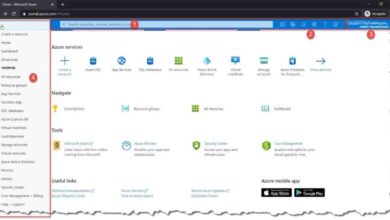
The Azure portal (portal.azure.com) is a unified console that allows users to create, configure, monitor, and manage all Azure services. It provides a graphical user interface (GUI) that simplifies complex cloud operations, making it accessible even to those with limited command-line experience.
- It supports over 200 Azure services including virtual machines, databases, AI tools, and networking.
- Available on any modern web browser across Windows, macOS, Linux, iOS, and Android.
- Offers role-based access control (RBAC), enabling teams to manage permissions efficiently.
“The Azure portal is the control center for your cloud infrastructure.” — Microsoft Azure Documentation
Why Is Azure Portal Log In Important?
Every interaction with Azure begins with a secure Azure portal log in. Without proper authentication, you cannot deploy resources, view billing data, or manage security settings. This login process ensures that only authorized users can access sensitive environments.
- Enforces identity verification via Microsoft Entra ID (formerly Azure AD).
- Integrates with multi-factor authentication (MFA) for enhanced security.
- Enables single sign-on (SSO) across enterprise applications.
Step-by-Step Guide to Azure Portal Log In
Successfully logging into the Azure portal requires following a clear sequence of steps. Whether you’re a new user or returning after a long break, this guide ensures a smooth Azure portal log in experience every time.
Step 1: Navigate to the Official Login Page
Always start by visiting the official Azure portal URL: https://portal.azure.com. Avoid third-party links or search engine ads that may lead to phishing sites.
- Bookmark the site for future use.
- Ensure the URL begins with
https://and displays a padlock icon in the address bar. - Use trusted devices and secure networks when logging in.
Step 2: Enter Your Credentials
On the login screen, enter your work or school account email address associated with Azure. This is typically in the format username@yourcompany.com or username@yourdomain.onmicrosoft.com.
- Personal Microsoft accounts (e.g., @outlook.com, @hotmail.com) can also be used if they have been granted access to an Azure subscription.
- If you’re part of an organization, your admin may have set up federated authentication through Active Directory Federation Services (AD FS).
- After entering your email, click “Next” to proceed.
Step 3: Complete Authentication
Depending on your organization’s security policies, you may be prompted for additional verification. This could include:
- Password entry (if not saved in your browser or password manager).
- Multi-factor authentication (MFA) via phone call, text message, or authenticator app.
- Biometric verification (e.g., Windows Hello, Face ID) on supported devices.
- Security questions or hardware tokens in high-security environments.
Once authenticated, you’ll be redirected to the Azure dashboard.
Common Issues During Azure Portal Log In and How to Fix Them
Even experienced users encounter obstacles during the Azure portal log in process. Recognizing and resolving these issues quickly minimizes downtime and boosts productivity.
Issue 1: ‘Account Not Found’ Error
This error occurs when the email entered isn’t recognized by Microsoft Entra ID. Possible causes include:
- Typos in the email address.
- The account hasn’t been added to the directory.
- Using a personal account without proper permissions.
Solution: Double-check the spelling, confirm your account exists in the tenant, or contact your Azure administrator to verify your access.
Issue 2: Password Reset Required
If your password has expired or been reset, you’ll be prompted to create a new one. Follow the on-screen instructions to complete the reset process.
- Ensure your new password meets complexity requirements (uppercase, lowercase, number, special character).
- Do not reuse recent passwords.
- Use a password manager to store it securely.
For more help, visit Microsoft’s official password reset portal.
Issue 3: Multi-Factor Authentication Failures
MFA is critical for security but can cause login delays if not configured correctly. Common problems include:
- Lost or broken authenticator device.
- Outdated phone number on file.
- Time synchronization issues with authenticator apps.
Solution: Update your contact info in My Account settings or contact your IT support to reset MFA methods.
Security Best Practices for Azure Portal Log In
Securing your Azure portal log in process is vital to protecting your cloud environment from unauthorized access and cyber threats.
Enable Multi-Factor Authentication (MFA)
MFA adds an extra layer of protection by requiring two or more verification methods. Even if a password is compromised, MFA prevents unauthorized access.
- Use the Microsoft Authenticator app for push notifications and time-based codes.
- Register backup methods like SMS or phone calls.
- Consider using FIDO2 security keys for phishing-resistant authentication.
Learn more at Microsoft’s MFA documentation.
Use Conditional Access Policies
Conditional Access allows organizations to enforce rules based on user location, device compliance, sign-in risk, and application sensitivity.
- Block logins from untrusted countries or IP ranges.
- Require compliant devices (e.g., encrypted, up-to-date OS) for access.
- Force MFA for high-risk sign-ins detected by Azure AD Identity Protection.
These policies are configured in the Microsoft Entra admin center under Protection > Conditional Access.
Monitor Sign-In Activity Regularly
Regularly reviewing sign-in logs helps detect suspicious behavior early.
- Navigate to Azure Active Directory > Monitoring > Sign-in logs.
- Filter by user, app, status (success/failure), or risk level.
- Set up alerts for failed logins or logins from unusual locations.
Proactive monitoring turns the Azure portal log in process into a security advantage rather than a vulnerability.
Using Single Sign-On (SSO) for Seamless Azure Portal Log In
Single Sign-On (SSO) simplifies the Azure portal log in experience by allowing users to authenticate once and gain access to multiple applications without re-entering credentials.
How SSO Works with Azure
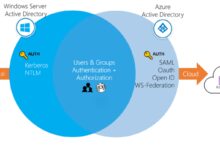
Azure integrates with Microsoft Entra ID to provide SSO across cloud and on-premises apps. When you log in to one service (e.g., Outlook Web App), you’re automatically signed into Azure if permissions allow.
- SSO uses protocols like SAML, OAuth 2.0, and OpenID Connect.
- Users benefit from reduced password fatigue and faster access.
- Administrators can manage app access centrally.
Setting Up SSO for Enterprise Applications
Organizations can configure SSO for custom or gallery apps via the Azure portal.
- Go to Microsoft Entra ID > Enterprise Applications.
- Select the app and configure the SSO method.
- Upload metadata or configure manual settings depending on the app.
This streamlines the Azure portal log in flow for employees using multiple business tools daily.
SSO Benefits for Hybrid Environments
In hybrid setups (on-prem + cloud), Azure AD Connect synchronizes on-prem Active Directory with Microsoft Entra ID, enabling seamless SSO.
- Users log in with their corporate credentials.
- No need to remember separate cloud passwords.
- Supports password hash sync, pass-through authentication, or AD FS.
This integration makes the Azure portal log in process feel natural and consistent across systems.
Managing Multiple Azure Subscriptions During Log In
Many users manage more than one Azure subscription—whether for different projects, departments, or clients. Understanding how to navigate between them after login is essential.
Switching Between Subscriptions
After a successful Azure portal log in, you can switch subscriptions using the directory + subscription selector in the top-right corner.
- Click your profile icon > Switch directory or Change directory.
- Select the desired subscription from the dropdown.
- The portal interface updates to reflect the selected subscription’s resources.
Understanding Tenants and Directories
An Azure AD tenant (or directory) is a dedicated instance of Microsoft Entra ID. Each tenant is isolated from others, ensuring data separation.
- You might belong to multiple tenants (e.g., your company and a client’s).
- Use the directory switcher to move between them.
- Permissions are scoped per tenant and subscription.
Best Practices for Multi-Subscription Management
To avoid confusion and misconfigurations:
- Use consistent naming conventions for subscriptions (e.g., “Prod-WestUS”, “Dev-EastUS”).
- Apply tags (e.g., Environment=Production, Department=Finance) for filtering.
- Leverage Azure Lighthouse for cross-tenant management in managed service provider (MSP) scenarios.
Advanced Tips for Power Users After Azure Portal Log In
Once logged in, power users can enhance their Azure experience with advanced tools and shortcuts.
Customize the Azure Dashboard
The default dashboard can be personalized to show only the most relevant information.
- Add tiles for VMs, cost analysis, alerts, or custom scripts.
- Resize and rearrange widgets for optimal workflow.
- Save multiple dashboards for different roles (e.g., DevOps, Finance, Security).
Use Azure Cloud Shell
Available directly in the portal, Cloud Shell provides a browser-based command line for PowerShell or Bash.
- No installation required—runs in your session after login.
- Persistent storage via Azure File Share.
- Ideal for running CLI commands, deploying templates, or automating tasks.
Access it by clicking the >_ icon in the top toolbar.
Leverage Quickstart Templates
After logging in, use the + Create a resource button to deploy pre-built solutions from the Azure Marketplace.
- Deploy a WordPress site, SQL database, or AI model in minutes.
- Templates are community-verified and often free to use.
- Great for testing, learning, or rapid prototyping.
Alternative Ways to Access Azure Beyond the Portal
While the Azure portal log in is the most common entry point, there are alternative methods for automation, scripting, and headless access.
Azure CLI and PowerShell
For developers and DevOps engineers, command-line tools offer greater flexibility.
- Azure CLI works on Windows, macOS, and Linux.
- Azure PowerShell is ideal for Windows administrators.
- Both require authentication via
az loginorConnect-AzAccount.
These tools support service principals and managed identities for non-interactive logins.
REST APIs and SDKs
Programmatic access to Azure services is possible using REST APIs or language-specific SDKs (e.g., Python, Java, .NET).
- Authenticate using OAuth 2.0 tokens obtained via Microsoft Entra ID.
- Use client credentials flow for backend services.
- Securely store secrets in Azure Key Vault.
This approach is essential for building custom management tools or integrating Azure into CI/CD pipelines.
Mobile Access via Azure App
The official Microsoft Azure app (iOS and Android) allows monitoring and basic management on the go.
- Receive alerts and notifications.
- Restart VMs or check service health.
- Requires the same Azure portal log in credentials.
While not a full replacement, it’s invaluable for incident response and remote oversight.
How do I recover my Azure account if I can’t log in?
If you’re unable to log in to your Azure account, start by visiting the Microsoft password reset page. If you’re using a work or school account, contact your organization’s IT administrator. You may also use the Azure account recovery form available at Azure AD portal to request assistance.
Can I use a personal Microsoft account to log in to Azure?
Yes, personal Microsoft accounts (e.g., @outlook.com, @hotmail.com) can be used to log in to Azure, especially for free trials or individual subscriptions. However, for enterprise use, work or school accounts (managed via Microsoft Entra ID) are recommended for better security, compliance, and management.
What should I do if I get locked out of my Azure portal?
If locked out, check if your account is blocked due to multiple failed attempts. Wait 30 minutes and try again. If MFA is required and you’ve lost access to your device, contact your administrator to reset your MFA settings. For global admins who are locked out, use a secondary admin account or recovery contacts configured in Microsoft Entra ID.
Is the Azure portal log in process the same worldwide?
Yes, the Azure portal log in process is standardized globally at portal.azure.com. However, some national clouds (e.g., Azure Government, Azure China 21Vianet) have separate endpoints like portal.azure.us or portal.azure.cn, with similar but isolated login systems.
How can I improve the speed of my Azure portal log in?
To speed up the Azure portal log in process, ensure you’re on a stable internet connection, use a modern browser (Chrome, Edge, Firefox), clear cache regularly, and enable password autofill. Also, disable unnecessary browser extensions that may slow down page loading.
Mastering the Azure portal log in process is the gateway to unlocking the full potential of Microsoft’s cloud platform. From initial access to advanced management, every step—from entering credentials to navigating subscriptions—plays a role in securing and optimizing your cloud experience. By following best practices like enabling MFA, using SSO, and monitoring sign-ins, you ensure both efficiency and security. Whether you’re a beginner or a seasoned pro, a smooth Azure portal log in sets the foundation for everything you do in the cloud.
Further Reading: